The short answer
A heat pump is a strong choice for Bell homes because it covers hot inland summers and mild winters with one all-electric system, and it avoids the region's tightening gas furnace emission rules. Rebates depend on whether LADWP or Southern California Edison serves your address, and the federal 25C credit is no longer available for installations after December 31, 2025.
A heat pump handles both cooling and heating with one electric system, which makes it a practical fit for many homes in Bell. AirCore HVAC Repair Service installs heat pumps in Bell from our base in Los Angeles, about 8 miles west. We also work in nearby Maywood, Cudahy, Huntington Park, Vernon, and South Gate. This page covers what matters for a Bell installation: how the local climate affects sizing, how heat pumps relate to the region's furnace emission rules, which rebates may apply depending on your utility, and what to expect on installation day. If you're replacing an aging furnace, an old air conditioner, or both, this is a good place to start.
Why a heat pump fits Bell's climate
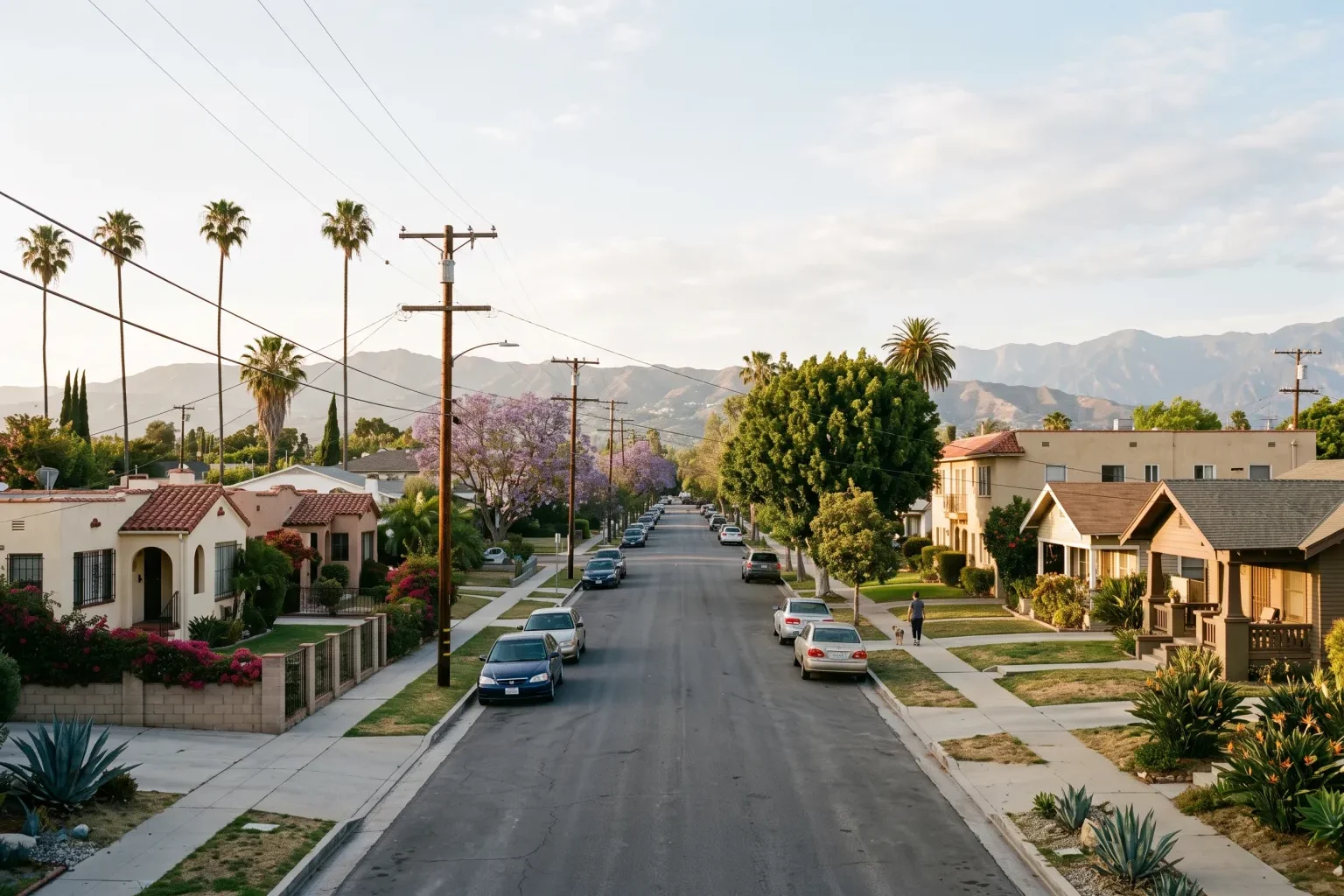
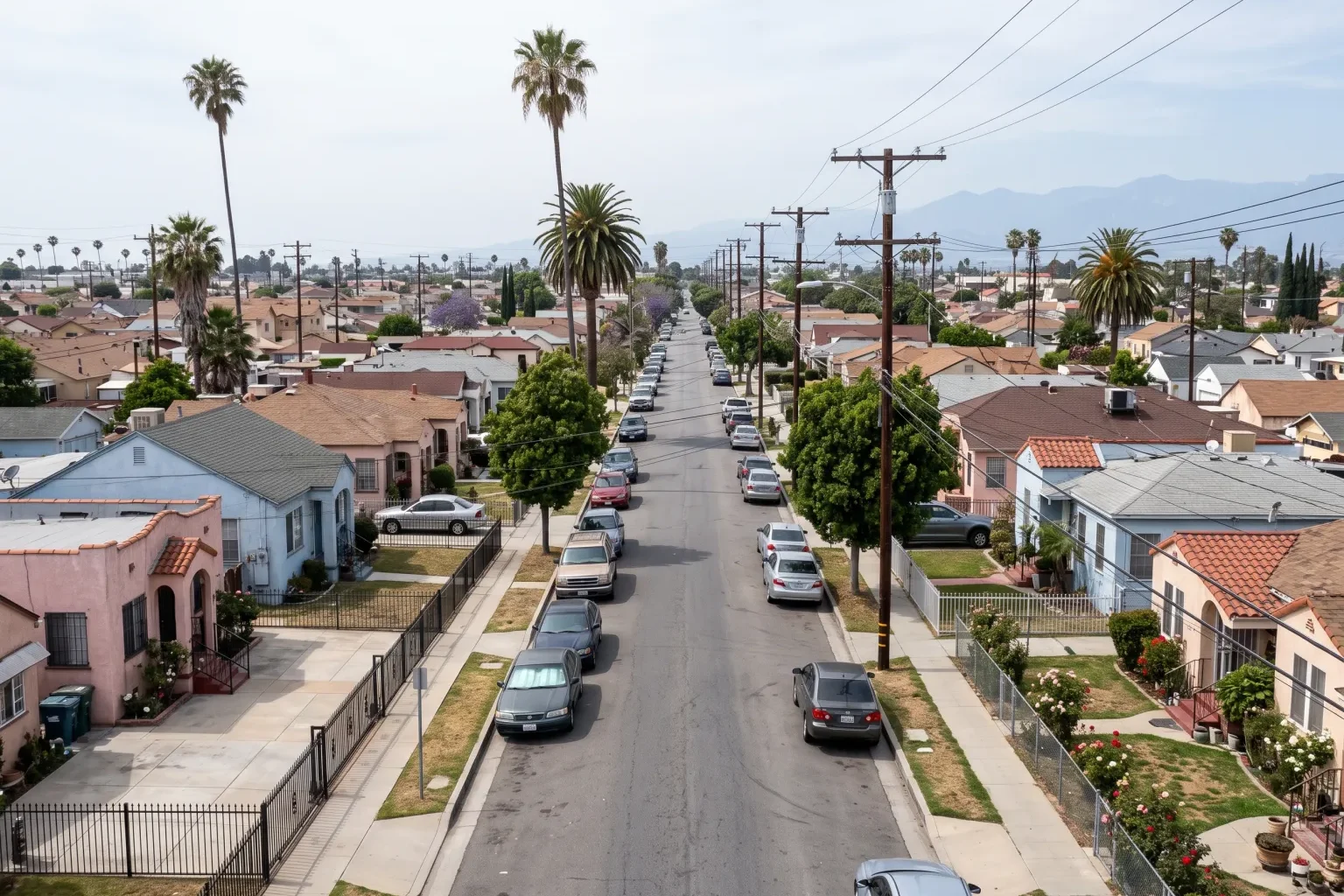
Los Angeles has a Mediterranean climate, with dry summers and mild winters. Bell sits inland from the coast, and inland neighborhoods run noticeably hotter in summer than areas near the ocean. Fall Santa Ana winds can also bring hot, dry spells after you'd expect the heat to be over. For most Bell homes, cooling capacity is the system's main job.
Winters are where heat pumps really earn their place. On a cool Bell evening, a heat pump moves heat into the house instead of burning fuel to make it, which is an efficient way to take the chill off in a mild climate. You get one outdoor unit and one thermostat handling both seasons, instead of a separate furnace and air conditioner.
Heat pumps and the region's furnace emission rules
South Coast AQMD Rule 1111 limits nitrogen oxide emissions from natural-gas fan-type central furnaces sold and installed in the Los Angeles region. The district has been amending the rule toward zero-emission requirements, and it sets and revises the compliance dates. If you're planning to replace a gas furnace, check where the rule currently stands before you choose equipment.
An all-electric heat pump doesn't burn gas, so the furnace emission question doesn't apply to it. Some homeowners prefer a dual-fuel setup, with a heat pump doing most of the work and a gas furnace as backup. In that case the furnace still has to meet the current rule. We'll walk through both options and explain how the rule affects each one.
Rebates depend on which utility serves your address
Bell is outside the City of Los Angeles, and many homes outside the city are served by Southern California Edison rather than LADWP. Which equipment rebates you can get depends on the utility that serves your address, so check the name on your electric bill before counting on a particular program. We confirm the current offer before including it in a quote.
- LADWP customers: Residential electric customers can apply for Consumer Rebate Program rebates on qualifying heat pump systems. The amount is based on the unit's SEER2 and HSPF2 ratings. You file the application after the equipment is purchased and installed, within 12 months of purchase.
- Southern California Edison customers: Available offers are different. We check what's current for your address before we quote anything.
- Federal tax credit: The Energy Efficient Home Improvement Credit (25C) covered qualifying heat pumps placed in service before December 31, 2025. It isn't available for new installations after that date.
What we check before recommending a system
The right heat pump for your home depends on the house itself. Before we recommend equipment, we look at the following.
- Heat load: home size, layout, insulation, windows, and sun exposure. We calculate the load instead of guessing from square footage.
- Existing ductwork: condition, leaks, and sizing. Ducts that were sized for an older furnace may need changes to move the airflow a heat pump needs.
- Electrical capacity: switching from gas heat to a heat pump may call for a dedicated circuit or a review of your panel.
- Outdoor unit placement: clearance for airflow, access for service, and how close the unit sits to bedrooms or a neighbor's windows.
- Ductless options: for homes without ducts, or for additions and converted spaces that the main system doesn't reach.
What installation day looks like
Many straightforward replacements are finished within a day or two. Duct or electrical changes can add time, and we'll tell you up front if your job needs them. We remove the old equipment, set the outdoor unit on a level pad, and install the indoor air handler or coil. Then we connect the refrigerant lines and wiring and set up the thermostat.
Before we leave, we test the system in both cooling and heating modes. We'll show you how to use the thermostat and where the filter goes. Keep your invoice and equipment model numbers, because an LADWP rebate application requires them.